Project #1
Microfinance Programs
What are Microfinance Programs?
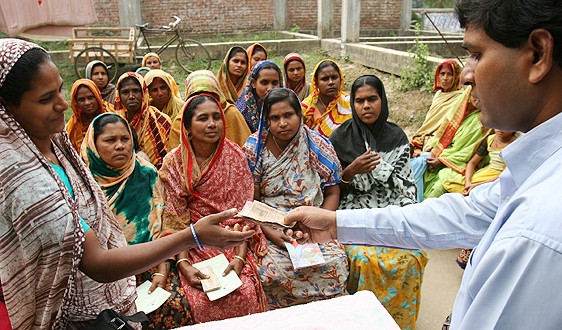
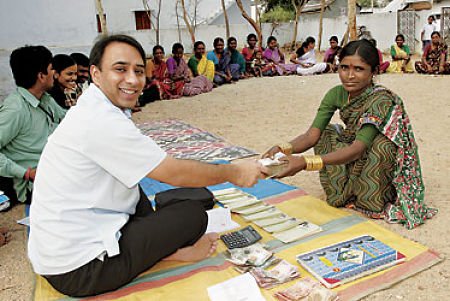
Microfinance programs provide small loans and financial services to low-income people or prospective business owners who do not have access to regular credit and banking options. Participants can generate money through these programs, launch or grow small companies, and enhance their financial security. Small, collateral-free loans, savings accounts, and insurance policies are commonly offered as part of microfinance to assist people in escaping poverty and achieving financial security.
The successful implementation of our microfinance program involved meticulous planning, infrastructure development, and a steadfast commitment to supporting underserved communities.
How we implemented it?
- Needs Assessment: We conducted a comprehensive assessment of financial needs, preferences, and the specific challenges facing our population targets. This involves identifying the need for microloans and other financial services in the communities we want to serve.
- Legal and regulatory compliance: Ensure that our microfinance program complies with all relevant financial regulations and legal requirements in the region or country is the top priority. We have obtained the necessary licenses and approvals to operate in accordance with the law.
- Institution Establishment: We established a microfinance institution and formed strategic partnerships with existing organizations, including NGOs, cooperatives and community organizations. A clear governance structure and competent management team have been established to oversee program activities.
- Product Development: We have designed a comprehensive portfolio of financial products, including small loans, savings accounts and insurance options, tailored to meet the specific needs of our target audience. We insist on transparency and ensure that terms and conditions are easy to understand.
- Risk assessment and management: Rigorous risk assessment mechanisms have been developed to assess borrower creditworthiness. We have implemented robust risk management strategies to minimize payment defaults, ensuring the sustainability of the program.
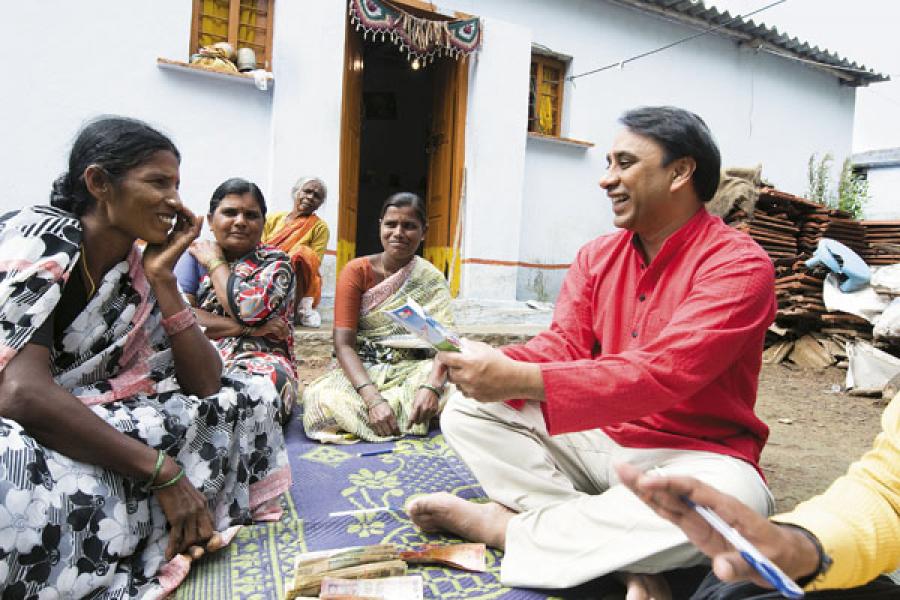
- Client Education: A key component of our program is providing financial literacy and business management training to prospective borrowers. This allows them to make informed financial decisions and manage their businesses effectively, increasing their chances of success.
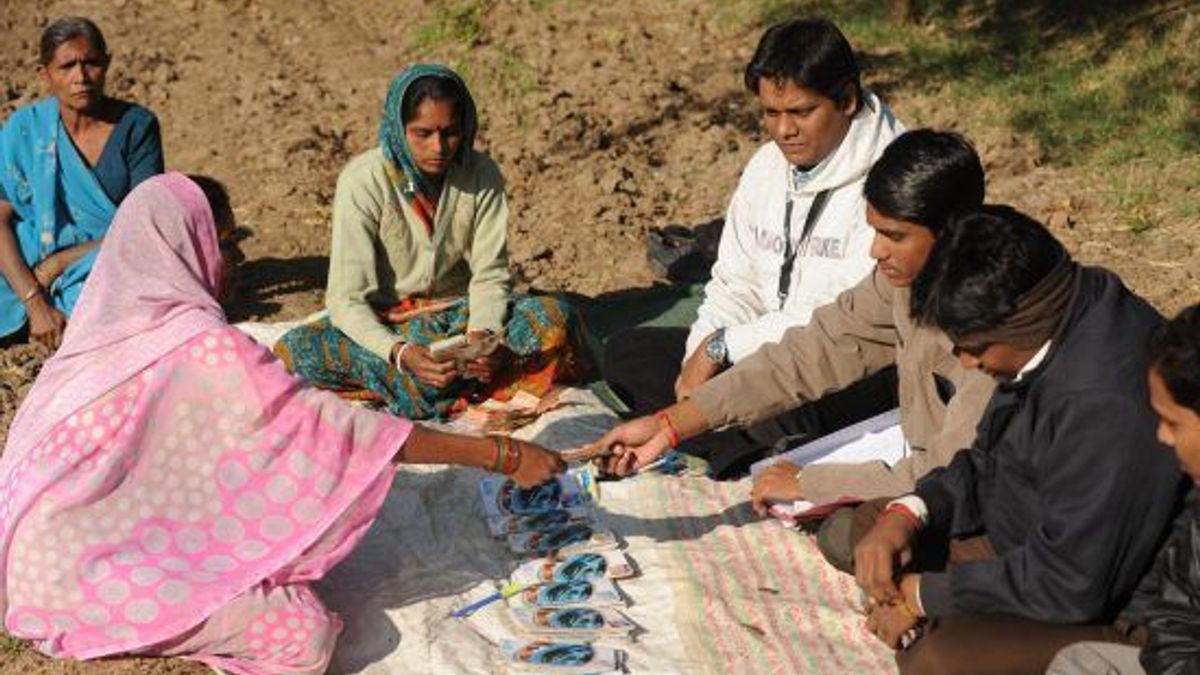
- Loan disbursement: We have begun disbursing small loans to qualified borrowers, focusing on those who have come up with a viable business plan or innovative idea. Importantly, we structured the loans as unsecured, recognizing that many low-income people do not have traditional assets for collateral.
- Monitoring and Support: A comprehensive monitoring and support system was put in place to verify that borrowers utilized the loans for their intended purposes and made repayments as agreed. We offered mentorship and guidance to assist businesses in achieving their objectives.
- Interest Rates and Sustainability: We carefully determined interest rates that not only covered program costs but also remained affordable for borrowers. Ensuring the long-term sustainability of our microfinance institution was a key consideration.
- Scale and Outreach: We gradually expanded the reach of our program to encompass more individuals in need. This expansion often involves seeking additional funding sources and forming partnerships to support growth and expand our impact.
- Data Management: Maintaining accurate records and data on loan disbursements and repayments, as well as program impact on beneficiaries, is a fundamental aspect of our activities. Regular evaluation of program effectiveness allows us to make necessary adjustments.
- Social Impact Assessment: We conducted a comprehensive assessment of the economic and social impact of our microfinance program on the communities we serve. This not only helps us refine our strategies but also helps demonstrate our success to stakeholders and potential investors.
- Financial Inclusion: Together with local banks and financial institutions, we have worked to integrate microfinance clients into the broader financial system. This makes it easier for them to access a wider range of financial services as their business grows.
- Partnerships and funding: We have actively sought partnerships with development organisations, government agencies and charities to secure funding and support technical assistance for program expansion and long-term sustainability.
We are actively involved in enhancing the economic conditions of underprivileged communities through microfinance programs that help them generate income, create assets, and achieve greater prosperity.
Our Recent Programme :