Project #1
Illuminating Futures for Lasting Prosperity
Conservancy
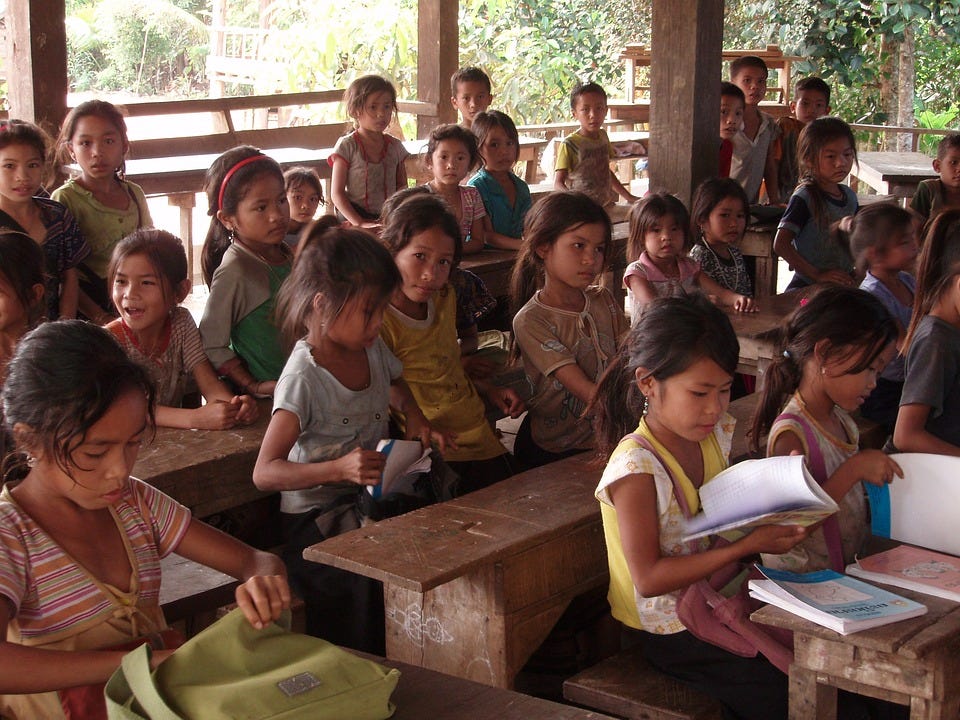
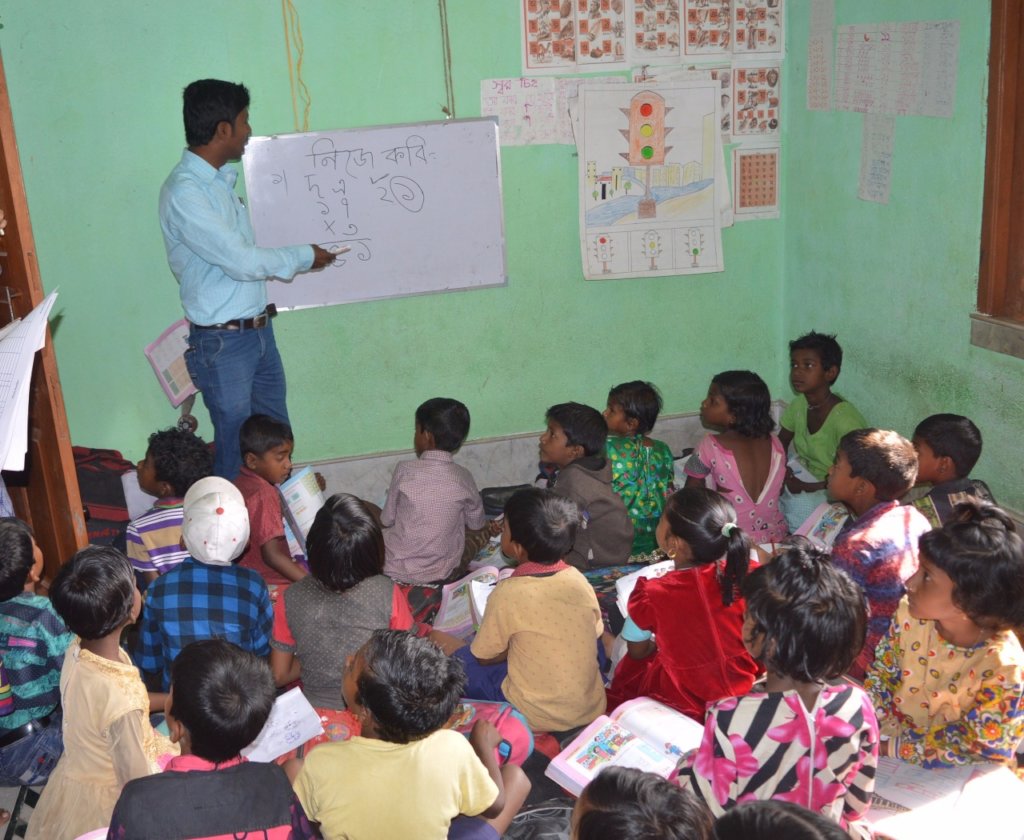
The Sustainable Nature Conservancy, a trailblazer in corporate social responsibility, proudly presents the triumphant completion of the EduEmpower Initiative. This visionary project strategically addresses the Quality Education Sustainable Development Goal, utilizing innovative educational approaches to uplift communities and break the cycle of poverty. The Sustainable Nature Conservancy stands as a beacon of positive change, fostering a future where education becomes a catalyst for lasting prosperity.
Project Objectives :
- Quality Education: Ensure accessible, inclusive, and quality education for all, transcending socio-economic barriers.
- Poverty Alleviation: Create pathways for economic empowerment through education, breaking the chains of poverty.
Project Components
Learning Infrastructure Enhancement: The Sustainable Nature Conservancy initiated the project by conducting comprehensive education assessments in underserved communities. Cutting-edge learning infrastructure, including technology-equipped classrooms and resource centers, was established. Mobile education units equipped with digital learning tools were deployed to reach remote areas, ensuring educational access for all.
Local employment opportunities were created through the training and hiring of educators and support staff, contributing to economic growth within the community. Collaborations with local educational institutions and professionals ensured sustainable educational development.
Challenges Faced
Infrastructure Accessibility: Ensuring infrastructure accessibility, especially in remote areas, presented challenges. The Sustainable Nature Conservancy addressed this by collaborating with local authorities and leveraging digital technologies to bridge the gap. Community engagement programs played a pivotal role in highlighting the benefits of accessible education.
Teacher Training and Retention: Training and retaining skilled educators posed challenges. The Sustainable Nature Conservancy implemented comprehensive training programs and attractive employment packages to address this. Continuous professional development and community integration enhanced the sense of commitment among educators.
a. Digital Learning Platforms and Resources:
How We Implemented It:
Recognizing the transformative power of digital education, The Sustainable Nature Conservancy implemented state-of-the-art digital learning platforms and resources. Tailored educational content, accessible through online platforms and mobile applications, provided interactive and engaging learning experiences. Community learning hubs equipped with digital resources facilitated continuous learning.
Challenges Faced While Implementing It:
Digital Literacy Barriers: Addressing digital literacy disparities required strategic planning. The Sustainable Nature Conservancy implemented training programs for students and communities to ensure equitable access and usage of digital resources.
Connectivity Challenges: Ensuring seamless connectivity in remote areas posed challenges. The Sustainable Nature Conservancy collaborated with technology providers and local governments to enhance internet connectivity, ensuring uninterrupted access to digital learning platforms.
b. Vocational Training and Skill Development:
How We Implemented It:
The Sustainable Nature Conservancy integrated vocational training and skill development programs into the educational framework. Customized vocational courses, aligned with local industry needs, were introduced. Practical training centers and apprenticeship opportunities provided hands-on experience, preparing students for employment.
Challenges Faced While Implementing It:
Aligning with Local Industries: Aligning vocational courses with local industry needs presented challenges. The Sustainable Nature Conservancy collaborated with industry experts, conducted skill gap analyses, and engaged local businesses to tailor vocational programs for maximum impact.
Overcoming Stigmas: Addressing stigmas associated with vocational training required community outreach. The Sustainable Nature Conservancy implemented awareness campaigns, showcasing success stories and emphasizing the value of diverse skill sets.
Result
The Sustainable Nature Conservancy Initiative has yielded transformative results. Accessible and quality education has become a catalyst for personal and community growth, reducing the barriers to economic advancement. The learning infrastructure has become a hub for skill development, creating a skilled workforce within communities. Digital education platforms have democratized learning, ensuring that even the most remote areas have access to quality educational resources.
Vocational training and skill development programs have empowered individuals to pursue meaningful careers, contributing to community development. The project has not only provided knowledge but has also equipped individuals with practical skills, fostering a culture of continuous learning and adaptability.
Conclusion
In conclusion, the EduEmpower Initiative by The Sustainable Nature Conservancy showcases the transformative potential of Quality Education in breaking the chains of poverty. By establishing accessible learning infrastructure, implementing digital education platforms, and integrating vocational training, the project has not only provided education but has also created sustainable economic opportunities within communities. As The Sustainable Nature Conservancy continues to champion these values, the EduEmpower Initiative serves as a testament to the positive impact that corporate-led initiatives can have on fostering lasting prosperity through education. The journey toward Quality Education is ongoing, and The Sustainable Nature Conservancy remains committed to creating a future where education becomes a powerful force for social and economic empowerment.
Our Recent Programme :