Project #2
Edu Empower
Conservancy
SDG Goal 4: Quality Education is something that EduEmpower, an effort started by The Sustainable Nature Conservancy, is dedicated to achieving. By granting all people equitable access to high-quality education and enabling them to realize their full potential, this game-changing effort seeks to end the cycle of poverty. The effective implementation of EduEmpower, the difficulties encountered, the outstanding outcomes attained, and The Sustainable Nature Conservancy’s continued dedication to educational empowerment are all covered in this report.
Project Objectives :
- Provide marginalized communities fair access to high-quality education.
- Encourage chances for skill development and career training.
- Encourage inclusion, particularly for underrepresented communities.
- The cycle of poverty can be broken via education.
Project Components
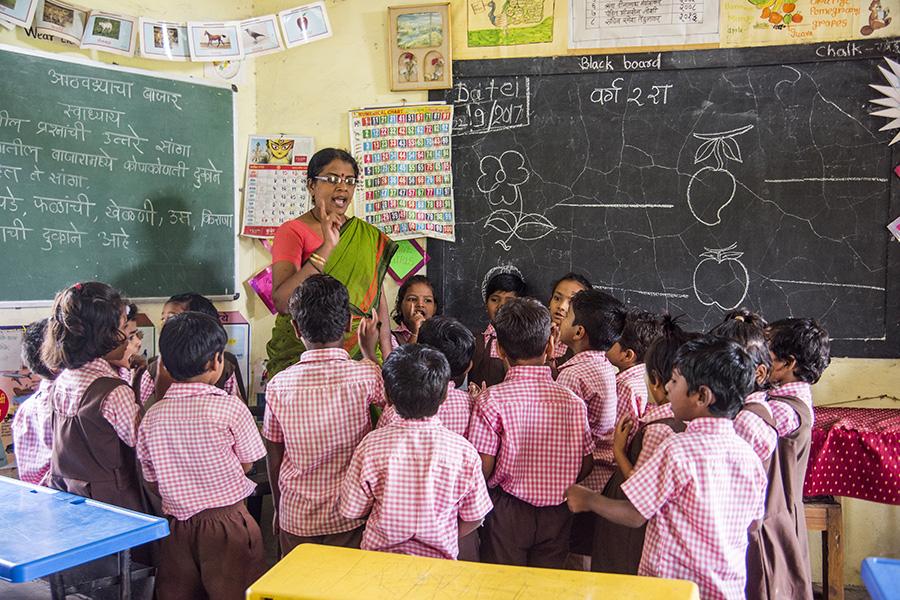
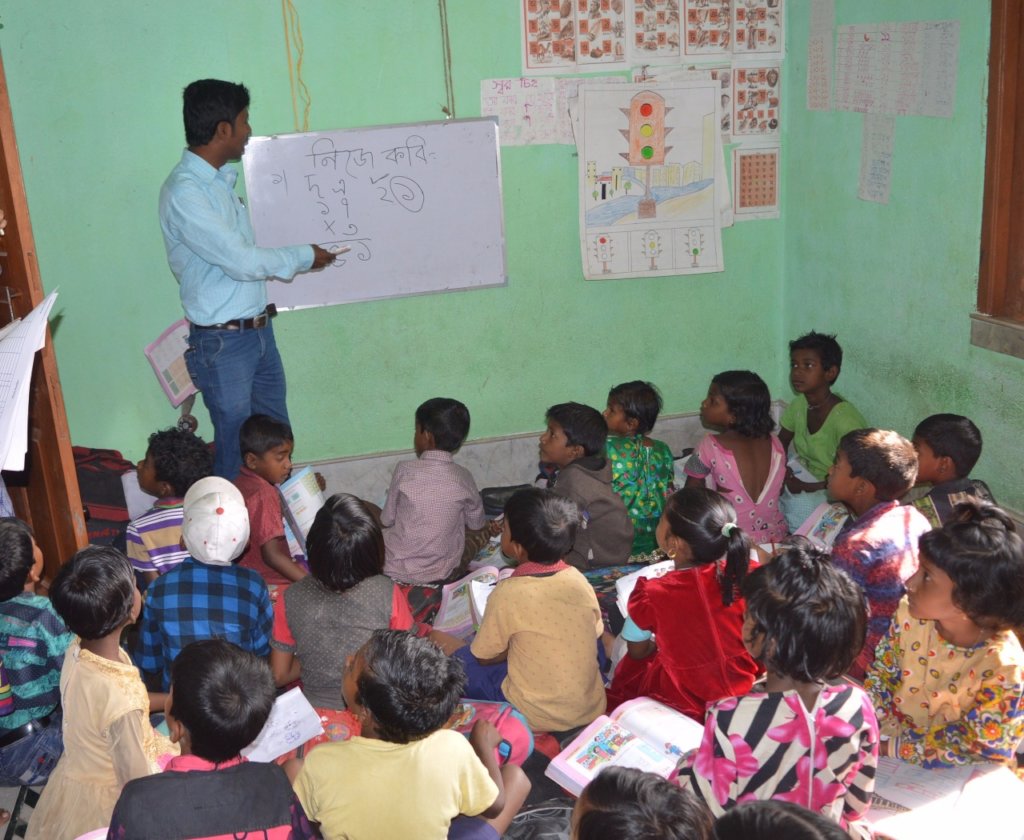
a. Community Learning Centers: The Sustainable Nature Conservancy established Community Learning Centers in underserved areas, equipped with modern educational resources and staffed by qualified educators. These centers function as hubs for learning, offering a diverse curriculum to meet the specific needs of each community.
b. Skill Development Programs: Implemented skill development and vocational training programs to equip individuals with practical skills for sustainable employment. This includes training in areas such as technology, entrepreneurship, and trades tailored to the local job market.
c. Inclusive Education Initiatives: These programs were created to guarantee that all children, regardless of background or aptitude, have access to high-quality education. In order to address the needs of excluded groups and promote diversity and equal opportunity, special programs and support services are provided.
d. Virtual Education Environments: Used technology to develop digital learning platforms that give users access to learning materials outside of traditional learning environments. The goal of this program is to close the digital gap and improve education for kids who live in rural or underdeveloped areas.
Implementation
1. Community Needs Assessment: In cooperation with regional leaders and educational specialists, a thorough needs assessment was conducted prior to the launch of EduEmpower. This made sure that the educational interventions were customized to each community’s unique needs and goals.
2.Creation of Learning Centers: The Sustainable Nature Conservancy carefully created Community Learning Centers in accordance with the results of the needs assessment. To establish the best possible learning atmosphere, these centers were furnished with contemporary equipment and hired teachers with the necessary experience.
3. Partnerships with Local Industries: To enhance the effectiveness of skill development programs, The Sustainable Nature Conservancy forged partnerships with local industries. This collaboration facilitated real-world exposure, internships, and job placement opportunities for individuals completing vocational training.
4. Technology Integration for Digital Learning: Recognizing the importance of technology in education, The Sustainable Nature Conservancy integrated digital learning platforms. These platforms provided students with access to a wide range of educational resources, interactive lessons, and opportunities for collaborative learning, regardless of their geographic location.
5. Parental Involvement and Community Workshops: One of the main goals was to involve parents and the larger community. To involve parents in their children’s educational adventures and increase awareness of the value of education, The Sustainable Nature Conservancy arranged community gatherings, seminars, and workshops.
Challenges Faced
1. Infrastructure and connection Issues: Creative solutions were needed to address infrastructure and connection issues in remote places. To improve connectivity in specific areas, The Sustainable Nature Conservancy worked with telecom providers and made investments in infrastructure development.
2. Cultural Sensitivity and Inclusivity: A sophisticated strategy was required to ensure cultural sensitivity and inclusivity in educational activities. In order to better understand local settings, The Sustainable Nature Conservancy consulted cultural liaisons, actively engaged community leaders, and modified instructional materials.
3. Economic Barriers: Financial aid and scholarship programs were used to alleviate the financial barriers to education. The Sustainable Nature Conservancy made sure that financial limitations did not prevent access to education by closely collaborating with neighborhood NGOs and companies to develop sustainable funding options.
Result
The impact of EduEmpower has been profound. Participating communities witnessed a significant increase in educational attainment, skill development, and economic empowerment. Graduates of the program have entered the workforce with enhanced skills, breaking the cycle of poverty and contributing to the overall development of their communities.
Conclusion
To sum up, the EduEmpower project by The Sustainable Nature Conservancy is a shining example of the organization’s dedication to SDG Goal 4: Quality Education. The Sustainable Nature Conservancy has made a significant contribution to ending the cycle of poverty through education by putting into practice a multimodal strategy that includes inclusive education initiatives, digital learning platforms, skill development programs, and community learning centers. The organization is unwavering in its commitment to maintaining and growing the beneficial results attained through EduEmpower, which is a big step in the direction of a time when everyone has access to high-quality education. The initiative’s lessons learned bear witness to the revolutionary effect that corporate initiatives may have on global goals, and The Sustainable Nature Conservancy is a leading advocate for educational empowerment.
Our Recent Programme :