Project #2
Urban Renewal through HygieneHarbor
Conservancy
The Sustainable Nature Conservancy’s HygieneHarbor Initiative represents a pioneering effort to revolutionize sanitation practices in urban areas. Aligned with the goals of SDG 6 – Clean Water and Sanitation, this initiative combines sustainable infrastructure development, community engagement, and technological integration to create cleaner, healthier urban environments. Recognizing the urgent need for improved sanitation, HygieneHarbor addresses the direct impact on public health, the environment, and overall quality of life.
Project Objectives :
HygieneHarbor aims to achieve the following primary objectives:
- Implementation of sustainable sanitation infrastructure in urban centers.
- Fostering behavioral change through community engagement.
- Integrating technology for efficient waste management and sanitation monitoring.
Project Components
a. Sustainable Sanitation Infrastructure:
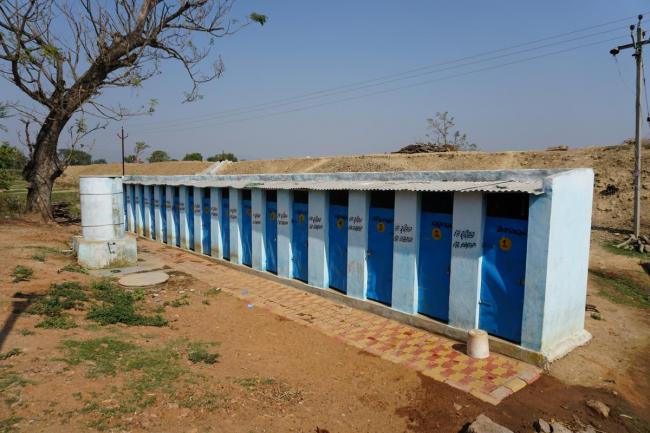
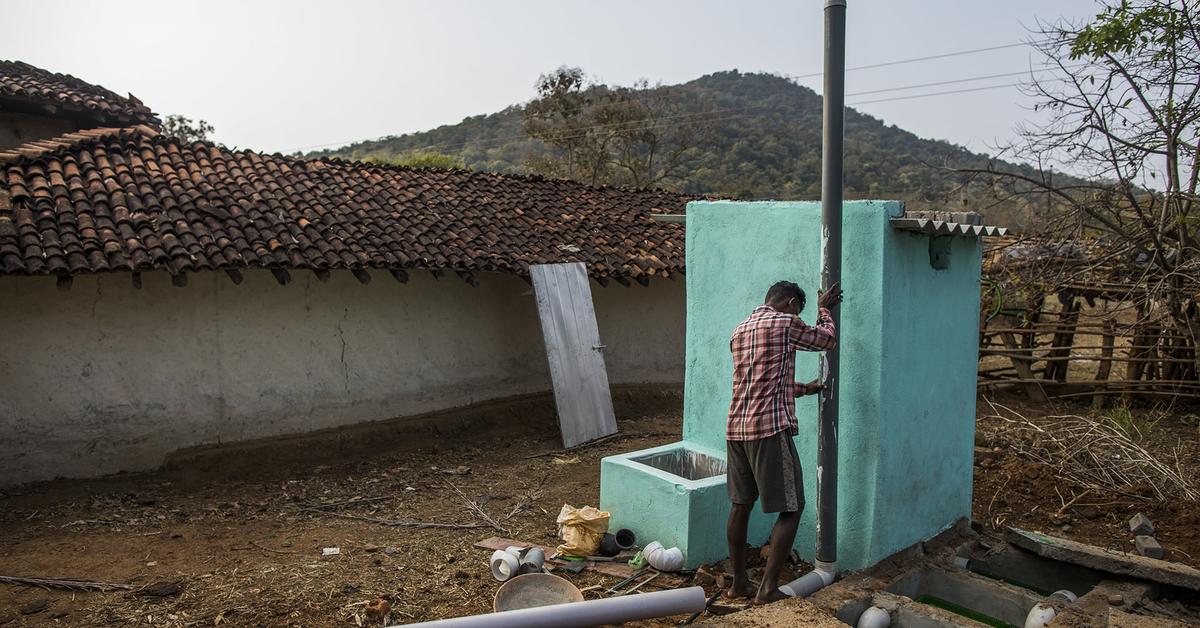
- Introduction of modern sanitation facilities in urban centers.
- Implementation of waste-to-energy solutions to reduce environmental impact.
b. Community Engagement:
- Conducting educational campaigns on proper waste disposal and hygiene practices.
- Collaborating with local communities to promote a sense of ownership and responsibility.
c. Technological Integration:
- Implementation of smart waste management systems for efficient collection and disposal.
- Development of a mobile app to provide real-time information on sanitation facilities and waste collection schedules
Challenges Faced
a. Overcoming resistance to change in entrenched sanitation practices.
b. Navigating logistical challenges in implementing new infrastructure.
c. Ensuring affordability and accessibility of sanitation solutions for all community members.
Implementation
The Sustainable Nature Conservancy’s HygieneHarbor implementation strategy involves:
- Close collaboration with municipal authorities, community leaders, and technology experts.
- Phased rollout including pilot programs, feasibility studies, and continuous feedback loops.
Result
a. Improved Public Health:
- Reduction in waterborne diseases due to enhanced sanitation facilities.
- Increased overall well-being and health awareness in urban communities.
b. Behavioral Change:
- Positive shifts in community attitudes towards proper waste disposal.
- Increased community participation in maintaining sanitation infrastructure.
c. Technological Impact:
- Streamlined waste management processes leading to cleaner urban spaces.
- Enhanced monitoring and data collection for informed decision-making.
Conclusion
HygieneHarbor, pioneered by The Sustainable Nature Conservancy, signifies a remarkable stride towards transforming sanitation practices in urban areas. This initiative not only contributes to the achievement of SDG 6 but also serves as a model for future corporate-led initiatives in the pursuit of healthier, cleaner, and more sustainable urban environments. Through innovation, collaboration, and a commitment to positive change, HygieneHarbor stands as a beacon for a future where sanitation is a right accessible to all.
Our Recent Programme :