Project #1
Bridging Waters for Sustainable Communities
Conservancy
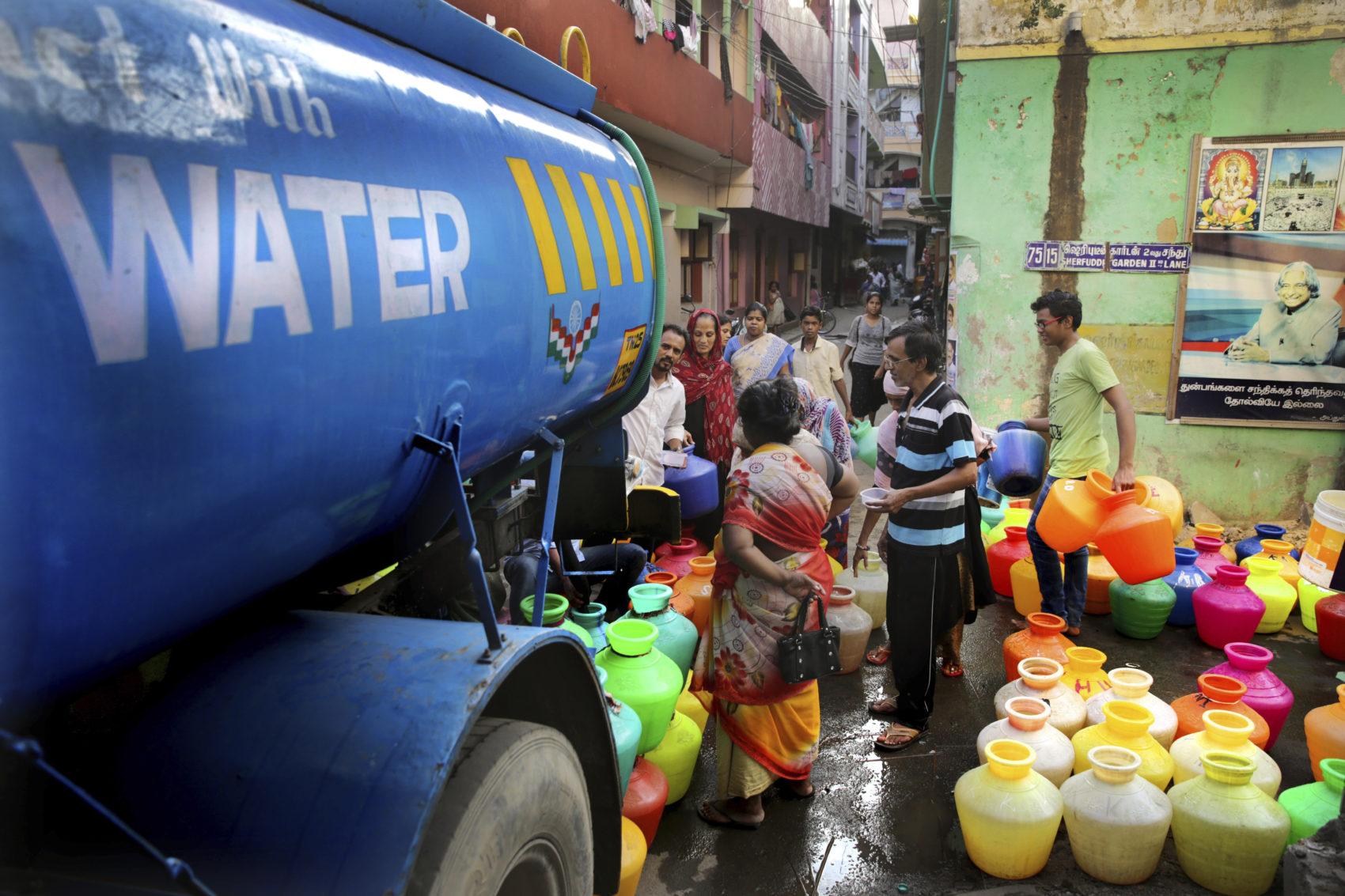
The AquaImpact project, spearheaded by The Sustainable Nature Conservancy, is a comprehensive initiative aimed at providing sustainable water access to rural communities, aligning with the United Nations’ SDG 6 – Clean Water and Sanitation. Through innovative technologies and community engagement, this project seeks to address the critical need for clean water, contributing to improved health, education, and overall well-being.
Project Objectives :
The primary objective of AquaImpact is to establish sustainable and accessible water sources in rural communities, reducing waterborne diseases and fostering a positive impact on the livelihoods of community members. The project also aims to promote long-term water management practices and enhance community resilience.
Project Components
Water Infrastructure Development:
- Implementation of community-based water supply systems.
- Deployment of water purification units to ensure access to clean drinking water.
Sanitation Initiatives:
- Installation of eco-friendly sanitation facilities to promote hygiene and waste management.
- Integration of sanitation education programs to drive behavioral change.
Community Engagement:
- Conducting awareness campaigns on the importance of clean water and proper sanitation practices.
- Training community members in the maintenance and operation of water and sanitation facilities.
Technology Integration:
- Leveraging innovative technologies for water purification, distribution, and monitoring.
- Implementation of smart monitoring systems for the sustainability and efficiency of the water supply network.
Challenges Faced
- Limited access to remote areas posed logistical challenges in implementing infrastructure projects.
- Overcoming cultural barriers and ensuring community acceptance of new technologies.
- Securing funding for the project to ensure its long-term sustainability.
Implementation
The AquaImpact project was implemented in collaboration with local governments, NGOs, and community leaders. The phased approach involved careful planning, stakeholder engagement, and the utilization of both traditional and innovative methods to ensure the success of the water and sanitation initiatives.
Result
Health Impact:
- A quantifiable decrease in waterborne diseases due to improved access to clean water.
- Health education programs contributing to better hygiene practices, leading to a healthier community.
Educational Advancements:
- Increased school attendance resulting from the provision of clean water and sanitation facilities.
- Integration of water and sanitation education into the school curriculum.
Sustainability Measures:
- Capacity building through training local technicians for infrastructure maintenance.
- Economic empowerment with the creation of job opportunities through facility operation.
Conclusion
The AquaImpact project has exemplified The Sustainable Nature Conservancy’s commitment to corporate social responsibility and sustainability. By addressing the critical need for clean water and sanitation, the project has not only contributed to SDG 6 but has also significantly improved the overall well-being and development of the communities involved. This initiative serves as a testament to how corporate-led projects can bring about positive change and create a lasting impact on the lives of those in need.
Our Recent Programme :