Project # 2
SustainEats Initiative
Summary:
The Sustainable Nature Conservancy, a leading advocate for sustainable solutions, proudly announces the triumphant execution of the SustainEats Initiative. This transformative project strategically addresses the Zero Hunger Sustainable Development Goal (SDG), offering a comprehensive approach to tackle food insecurity as a means to overcome poverty within communities. SustainEats showcases The Sustainable Nature Conservancy’s unwavering commitment to fostering sustainable solutions that not only feed the hungry but also empower communities for lasting change.
Project Objectives:
Zero Hunger: Implement initiatives that ensure food security, accessibility, and sustainable agricultural practices to eradicate hunger.
Poverty Alleviation: Address the root causes of poverty by providing communities with the resources and skills needed for sustainable food production.
Project Components:
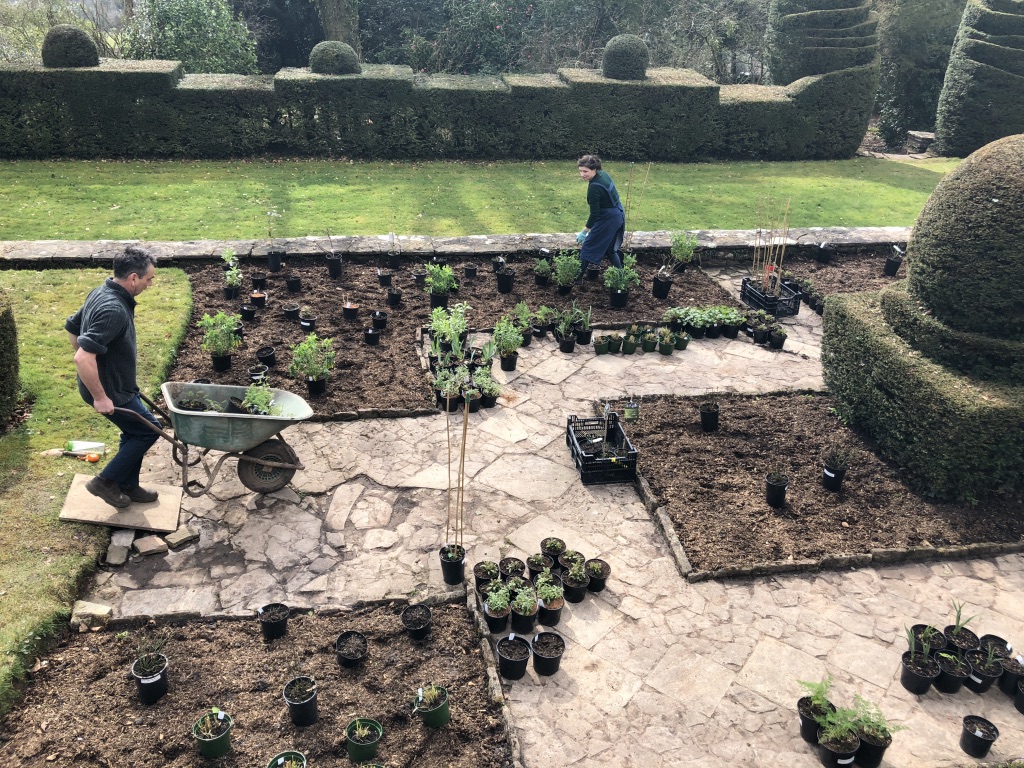
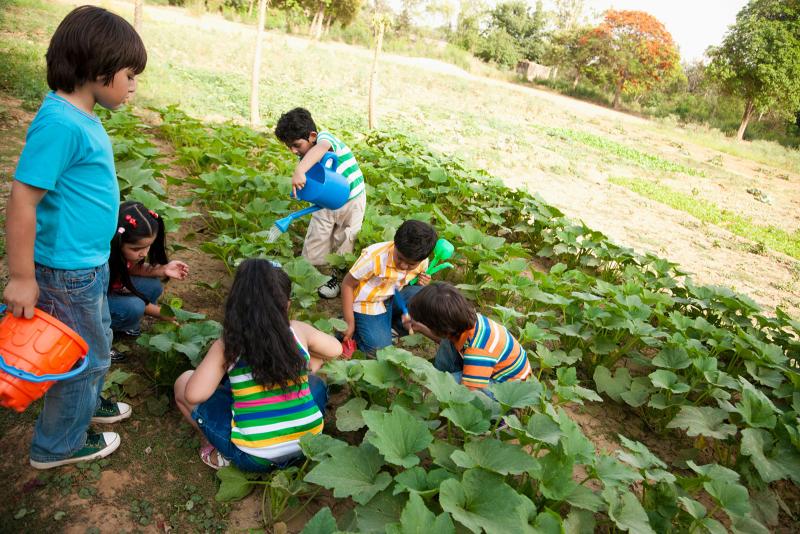
1. Community Gardens and Sustainable Agriculture: The Sustainable Nature Conservancy initiated community gardens in partnership with local communities, emphasizing sustainable agricultural practices. By providing seeds, tools, and training, the initiative aimed to empower communities to grow their own food, promoting self-sufficiency and reducing reliance on external aid.
b. Food Distribution and Nutrition Education: To address immediate hunger, The Sustainable Nature Conservancy implemented food distribution programs, collaborating with local farmers to source fresh produce. Simultaneously, nutrition education sessions were conducted to empower community members with knowledge about balanced diets and optimal food utilization.
c. Microenterprise Development: Recognizing the link between poverty and hunger, The Sustainable Nature Conservancy facilitated the establishment of microenterprises related to food production and processing. This included supporting small-scale farmers, creating food cooperatives, and aiding in the development of local food-based businesses. By fostering economic growth within communities, the initiative sought to break the cycle of poverty.
Implementation:
1. Community Gardens and Sustainable Agriculture:
The Sustainable Nature Conservancy engaged directly with local communities, conducting needs assessments and collaborating with community leaders to identify suitable locations for community gardens. Sustainable agricultural workshops were organized to educate community members on organic farming, water conservation, and soil health. To ensure the longevity of the initiative, The Sustainable Nature Conservancy provided ongoing support, including periodic training sessions, access to advanced farming techniques, and connecting communities with agricultural experts for continuous guidance.
2. Food Distribution and Nutrition Education: Collaboration with local farmers was key to the success of the food distribution program. The Sustainable Nature Conservancy established fair-trade agreements to ensure farmers received equitable compensation for their produce. Nutrition education sessions were conducted in collaboration with local health authorities, addressing community-specific dietary needs and cultural preferences. Technology played a crucial role in streamlining distribution logistics. The Sustainable Nature Conservancy implemented a digital platform that connected farmers, distributors, and community centers, ensuring a smooth flow of fresh produce from farm to table.
3. Microenterprise Development: Microenterprise development involved extensive community engagement. The Sustainable Nature Conservancy collaborated with local business development organizations, offering training programs on entrepreneurship, financial literacy, and business management. Financial support was extended through micro-loans and grants, enabling individuals to start their own small food-related businesses. The Sustainable Nature Conservancy also facilitated connections with larger markets, providing a sustainable source of income for microentrepreneurs.
Challenges Faced:
1. Climate Variability: Unpredictable weather patterns posed challenges to sustainable agriculture. The Sustainable Nature Conservancy responded by implementing climate-smart farming practices and introducing resilient crop varieties. Ongoing monitoring and adaptation strategies were crucial to mitigate the impact of climate-related challenges.
2. Logistical Hurdles: Ensuring timely and efficient food distribution required overcoming logistical hurdles, especially in remote areas. The Sustainable Nature Conservancy leveraged technology to track inventory, optimize distribution routes, and ensure that fresh produce reached communities in a timely manner.
Results:
The SustainEats initiative has yielded transformative results. Community gardens have become vibrant hubs of agricultural activity, fostering a sense of ownership and pride among community members. The adoption of sustainable farming practices has not only increased food production but has also enhanced environmental sustainability.
Food distribution programs have provided consistent access to nutritious food, improving the overall health and well-being of communities. Nutrition education has empowered individuals to make informed dietary choices, contributing to a reduction in malnutrition and related health issues. Microenterprises have flourished, generating income and employment opportunities within communities. The initiative has sparked a spirit of entrepreneurship, with individuals developing diverse food-related businesses, from local markets to value-added food processing ventures.
Nutrition education has empowered individuals to make informed dietary choices, reducing malnutrition and related health issues. Microenterprises have flourished, generating income and employment opportunities within communities, fostering a spirit of entrepreneurship.
Conclusion:
In conclusion, The Sustainable Nature Conservancy’s SustainEats initiative stands as a beacon of hope in the fight against hunger and poverty. By strategically addressing the root causes of food insecurity and poverty, the initiative has not only provided immediate relief but has also empowered communities to build sustainable futures. The success of SustainEats is a testament to the power of corporate-led initiatives in creating positive and lasting change. As The Sustainable Nature Conservancy continues to champion sustainable solutions, the SustainEats initiative serves as a model for future endeavors, demonstrating the profound impact that a holistic approach can have on achieving the Zero Hunger SDG and fostering resilient, self-sufficient communities.
Our Recent Programme :